
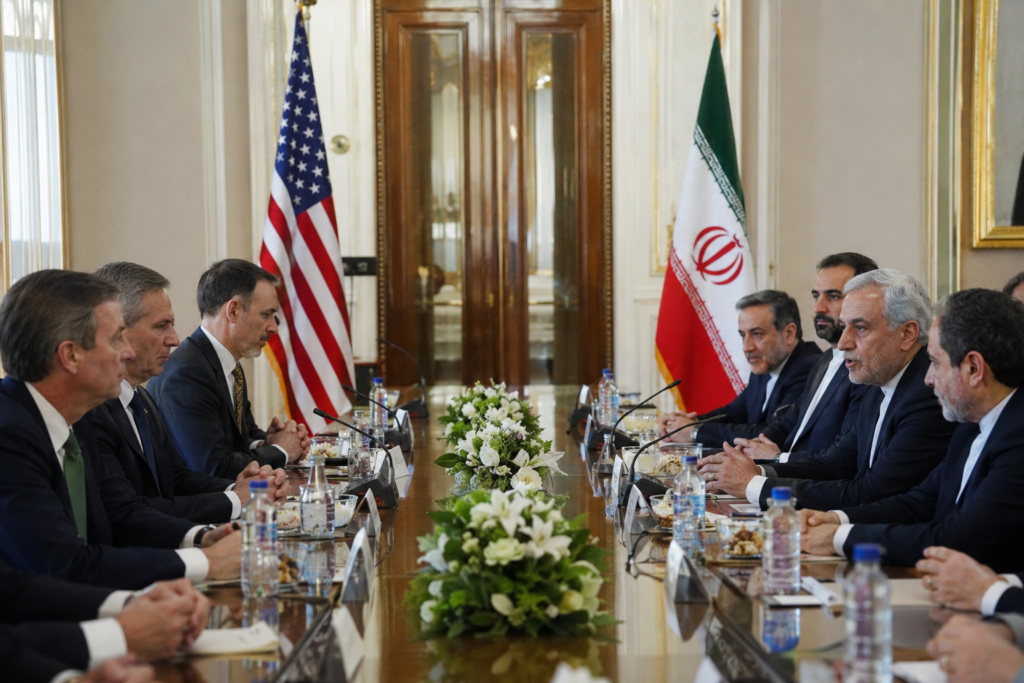
The latest round of negotiations between the United States and Iran has entered what many analysts describe as the most sensitive and decisive stage in recent years. After months of diplomatic engagement, behind-the-scenes discussions, and international mediation efforts, both countries now find themselves at a crossroads that could significantly influence regional stability and global politics.
For decades, relations between Washington and Tehran have been characterized by deep mistrust, political disputes, economic sanctions, and security concerns. Despite these challenges, diplomatic channels have remained open at various points, reflecting a shared understanding that dialogue remains preferable to confrontation. Today, as negotiators continue intensive discussions, hopes for progress are once again emerging across diplomatic circles.
The significance of these talks extends far beyond the borders of the United States and Iran. Governments throughout the Middle East, international organizations, global investors, and energy markets are closely monitoring every development. A successful outcome could contribute to a more stable regional environment, while failure could increase uncertainty and geopolitical tensions.
A Long History of Complex Relations
The relationship between the United States and Iran has been one of the most complicated diplomatic relationships in modern international politics. Over the years, periods of limited cooperation have often been overshadowed by disagreements over security, regional influence, and economic policies.
Numerous attempts have been made to improve relations, but achieving lasting progress has proven difficult. Changes in political leadership, shifting regional dynamics, and competing strategic interests have frequently interrupted diplomatic momentum.
Nevertheless, many experts argue that sustained dialogue remains essential. History has shown that even when disagreements appear insurmountable, negotiations can provide opportunities to reduce tensions and prevent misunderstandings from escalating into larger conflicts.
The current discussions reflect this reality. While both sides continue to defend their national interests, the willingness to remain engaged in negotiations demonstrates a recognition that diplomacy still offers the most practical path forward.
Why the Current Talks Matter
What makes the latest negotiations particularly important is the broader international context in which they are taking place. The Middle East continues to face multiple security challenges, while the global economy remains sensitive to geopolitical developments.
Several factors explain why these talks are attracting worldwide attention:
• Potential impact on regional security.
• Influence on global energy markets.
• Economic implications for international trade.
• Diplomatic consequences for major world powers.
Although these issues are significant, the talks are ultimately about more than politics and economics. They also represent an opportunity to reduce tensions that have shaped regional affairs for decades.
Signs of Progress Emerging
Recent statements from officials and diplomatic sources suggest that negotiators have made progress on a number of issues. While neither side has claimed that a final agreement is imminent, the tone surrounding the discussions has become noticeably more constructive.
Observers note that the continuation of talks itself represents a positive development. Diplomatic negotiations of this magnitude often face setbacks, yet discussions have continued despite numerous challenges.
This persistence indicates that both countries see value in maintaining communication. It also suggests that negotiators believe meaningful progress remains possible.
Political analysts point out that major diplomatic breakthroughs rarely happen overnight. Instead, agreements are typically built through a gradual process involving compromise, technical discussions, and confidence-building measures. The current negotiations appear to be following a similar pattern.
Obstacles Continue to Challenge Negotiators
Despite encouraging signs, significant hurdles remain.
Perhaps the biggest challenge is trust. Years of political disagreements have created deep skepticism on both sides. Negotiators must not only address current issues but also find ways to ensure that future commitments are respected and implemented effectively.
Domestic politics also complicates the situation. Leaders in both countries face pressure from groups that hold differing views regarding negotiations. Any agreement reached at the diplomatic level must also be politically acceptable at home.
In addition, broader regional concerns continue to influence the discussions. Security issues, strategic alliances, and geopolitical rivalries all play a role in shaping negotiating positions.
These challenges help explain why progress has been gradual rather than dramatic. While optimism exists, officials remain cautious about raising expectations too quickly.
Economic Implications of a Potential Agreement
Beyond politics, the outcome of the negotiations could carry substantial economic consequences.
Global energy markets are particularly sensitive to developments involving Iran and the United States. News regarding progress in negotiations often influences investor sentiment and market expectations.
A reduction in tensions could improve economic confidence throughout the region. Businesses generally prefer stable political environments, and successful diplomacy can encourage investment by reducing uncertainty.
Financial analysts believe that even modest improvements in relations could have positive effects on regional economic activity. Increased stability often creates opportunities for trade, investment, and long-term development.
At the same time, investors remain cautious. Markets understand that negotiations are complex and that significant challenges remain unresolved.
The International Community Is Watching Closely
The importance of the negotiations extends well beyond the two countries directly involved. Governments around the world are following developments with considerable interest.
European nations have consistently supported diplomatic engagement and continue to encourage dialogue. Regional powers are also closely monitoring the talks because of their potential impact on security and economic conditions.
International organizations have repeatedly emphasized the value of peaceful solutions to political disputes. Many diplomats believe that successful negotiations could strengthen broader efforts to address regional challenges through dialogue rather than confrontation.
This widespread international interest reflects the understanding that the outcome could influence geopolitical dynamics for years to come.
A Critical Moment for Diplomacy
As discussions continue, expectations remain carefully balanced between optimism and realism. Supporters of the negotiations argue that the current environment presents a genuine opportunity for progress. Critics, however, point to the long history of failed diplomatic efforts and caution against excessive optimism.
Both perspectives contain elements of truth.
The negotiations have clearly produced some encouraging developments, yet major differences remain unresolved. Reaching a comprehensive agreement will require patience, compromise, and sustained political commitment from all parties involved.
For now, the most important fact is that diplomacy remains active. In a world increasingly shaped by geopolitical competition and uncertainty, continued dialogue between longstanding adversaries is itself a meaningful achievement.
Conclusion
The latest US-Iran talks have entered a critical phase that could shape the future of regional and international politics. While negotiators continue to face difficult challenges, the persistence of diplomatic engagement has created cautious hope that progress is possible.