

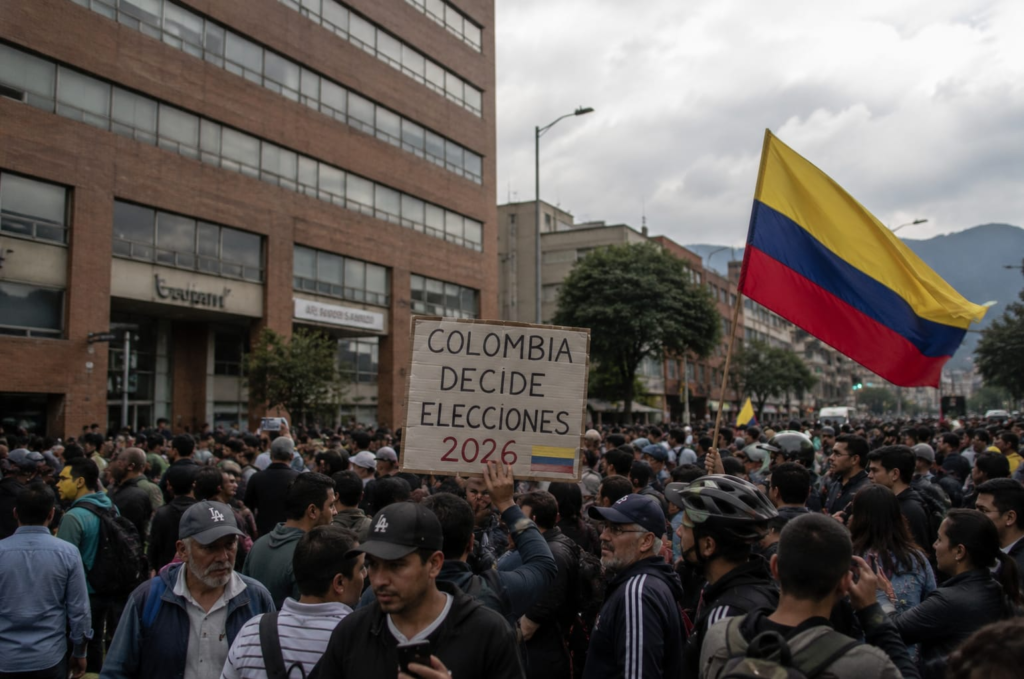
Every election has the potential to influence a country’s future, but some elections carry a significance that extends far beyond the ballot box. Colombia’s 2026 presidential election is shaping up to be one of those defining moments. At a time when citizens are debating the future of the economy, public security, social development, and international relations, voters will soon be asked to decide which path the country should follow in the years ahead.
Across cities, towns, universities, and workplaces, political discussions are becoming increasingly common as Colombians evaluate the promises, policies, and leadership styles of competing candidates. The election arrives during a period of considerable change, both within Colombia and across the broader Latin American region. Economic uncertainty, social demands, technological transformation, and shifting global alliances are all influencing the political environment.
For many voters, the election is not simply about selecting a president. It is about choosing a vision for Colombia’s future. The decisions made in 2026 could shape public policy, economic priorities, and national development strategies for years to come. As campaign activity intensifies, the country finds itself at a political crossroads where every debate, proposal, and public discussion carries added significance.
A Changing Political Landscape
Colombia’s political landscape has undergone major transformations over the last decade. Issues that once dominated public discourse have evolved, while new challenges have emerged that require fresh solutions and long-term planning.
The country’s political system has witnessed growing participation from younger voters, increased public engagement through digital platforms, and a greater focus on social and economic reform. Citizens are becoming more active in discussing national issues and demanding accountability from elected officials.
Political analysts note that modern Colombian voters are often less loyal to traditional political parties than previous generations. Instead, many voters focus on policies, leadership qualities, and practical solutions to everyday concerns. This shift has created a more competitive political environment where candidates must work harder to earn public trust and support.
As a result, the 2026 election is expected to be highly contested, with multiple candidates seeking to convince voters that they possess the best plan for addressing the country’s most pressing challenges.
Economic Concerns at the Center of the Debate
The economy is likely to remain the most important issue throughout the election campaign. While Colombia has achieved periods of economic growth in recent years, many citizens continue to face financial challenges that directly affect their daily lives.
Rising living costs, housing affordability, employment opportunities, and wage growth have become major concerns for families across the country. Businesses are also paying close attention to economic policies that could influence investment, taxation, and long-term growth prospects.
Candidates are presenting different approaches to strengthening the economy. Some advocate for increased government investment in infrastructure, education, and public services as a way to stimulate growth and create jobs. Others argue that encouraging private-sector development and attracting foreign investment will generate stronger economic results over time.
The discussion is not simply about economic statistics. For many voters, economic policy affects their ability to support their families, build careers, purchase homes, and plan for the future. Because of this, economic debates are expected to play a central role throughout the campaign season.
Public Security Remains a Major Priority
Security continues to be one of the most sensitive and important issues in Colombian politics. Although significant progress has been made in some areas, concerns about crime, violence, and public safety remain part of everyday conversations in many communities.
Citizens want effective solutions that improve security while preserving democratic values and civil liberties. Candidates have responded by proposing a variety of strategies designed to address these concerns.
Some political leaders emphasize stronger law enforcement measures, increased security resources, and tougher responses to criminal activity. Others argue that long-term improvements require addressing underlying social and economic factors that contribute to insecurity, including poverty, limited educational opportunities, and unemployment.
The debate highlights the complexity of security challenges. Most voters agree that public safety is essential, but opinions differ regarding the best methods for achieving lasting improvements. This issue is expected to remain one of the most closely watched aspects of the election campaign.
Social Inequality and Public Services
Another major topic shaping the election is social inequality. Many Colombians continue to express concerns about unequal access to opportunities, healthcare, education, and public services.
Supporters of expanded social programs argue that greater investment is needed to ensure all citizens have access to quality services regardless of income level or geographic location. They believe stronger public institutions can help reduce inequality and improve overall quality of life.
Others emphasize economic growth as the most effective path toward improving living standards. According to this perspective, creating jobs and expanding economic opportunities will ultimately generate broader prosperity throughout society.
Healthcare, education, housing, and social welfare programs are likely to feature prominently in campaign discussions. Candidates understand that these issues directly affect millions of voters and often influence how citizens evaluate political leadership.
The Growing Influence of Young Voters
One of the most interesting developments in Colombian politics is the increasing influence of younger generations. Young voters are playing a larger role in shaping political conversations and influencing public debate.
Unlike previous generations, many younger citizens engage with political content through social media platforms, online communities, and digital news sources. This has changed how campaigns communicate with voters and how political messages spread throughout society.
Issues such as climate change, education reform, technology, entrepreneurship, digital innovation, and employment opportunities are especially important to younger voters. Political campaigns have recognized this shift and are increasingly tailoring their messages to address these concerns.
The participation of young people could have a significant impact on the outcome of the election. Their growing involvement reflects broader changes occurring not only in Colombia but across many democracies around the world.
The Role of Media and Digital Campaigning
Modern elections are increasingly shaped by digital communication, and Colombia’s 2026 election is no exception. Social media platforms, online news outlets, podcasts, and digital advertising have become essential tools for political campaigns.
Candidates now have the ability to communicate directly with voters in real time, allowing them to share policy proposals, respond to criticism, and build public support more quickly than ever before.
However, the rise of digital campaigning also creates challenges. Misinformation, political polarization, and the rapid spread of unverified content have become concerns in many countries. As a result, voters are being encouraged to evaluate information carefully and rely on credible sources when making decisions.
The growing importance of digital communication means that online engagement could play a major role in shaping public perception throughout the election season.
Colombia’s Position in Latin America
The outcome of the election will not only affect Colombia domestically but could also influence the country’s role within Latin America.
As one of the region’s largest economies and an important diplomatic actor, Colombia plays a significant role in regional cooperation, trade relationships, and international dialogue. Political leaders across Latin America will be closely monitoring the election because its outcome may affect regional policies and partnerships.
Issues such as trade agreements, economic cooperation, environmental initiatives, and migration policies could all be influenced by the priorities of the next administration.
Because Colombia occupies a strategically important position within the region, international observers are expected to follow the election closely as campaign developments unfold.
Foreign Policy and Global Relationships
Foreign policy is becoming increasingly important as global challenges continue to evolve. International trade, geopolitical competition, climate concerns, and economic partnerships are all influencing how countries interact with one another.
Candidates are expected to outline different visions regarding Colombia’s relationships with neighboring nations, international organizations, and major global powers. Their positions on diplomacy, trade, and international cooperation may influence how Colombia is perceived on the world stage.
Businesses, investors, and international partners will be paying close attention to these discussions because foreign policy decisions can have significant economic and strategic consequences.
In an interconnected world, domestic elections often have international implications, and Colombia’s 2026 election is likely to be no exception.
What Voters Are Looking For
Despite the many issues being discussed, most voters share a common desire for effective leadership and practical solutions. Citizens want leaders who understand their concerns and can deliver meaningful improvements in areas such as economic opportunity, public safety, healthcare, and education.
Trust has become an increasingly valuable political asset. Voters are looking beyond campaign slogans and carefully evaluating which candidates appear capable of turning promises into action.
The ability to communicate a clear vision, build public confidence, and address complex challenges may ultimately prove decisive in determining the outcome of the election.
Conclusion
The 2026 election represents one of the most important political moments in Colombia’s recent history. As citizens prepare to cast their votes, they face decisions that could influence the country’s direction for many years to come.
Economic growth, public security, social development, healthcare, education, and international relations will all play important roles in shaping voter choices. The debates taking place today reflect broader questions about the kind of future Colombians want to build for themselves and future generations.