
Over the past few weeks, tensions between Iran and the United States have once again become one of the biggest global discussions. News about military activity, political pressure, and possible retaliation has spread rapidly across television channels, websites, and social media platforms. Millions of people around the world are closely following every update because many fear that the situation could become even more serious in the coming days.
The Middle East has always been a sensitive region when it comes to global politics and security. Whenever conflict begins to rise in this area, the effects are not limited to one country alone. Economic markets, oil prices, international trade, and even global security can all be affected. That is one of the main reasons why the current Iran–America tensions are receiving worldwide attention.

Why the Iran–America Conflict Is Trending Worldwide
One major reason this topic is trending everywhere is the speed at which information spreads today. Social media platforms such as Instagram, TikTok, X, Facebook, and YouTube are filled with videos, news clips, reactions, and discussions related to the situation. Every new statement from political leaders quickly becomes breaking news online.
People are searching for updates because they want to understand what is happening and whether the conflict could grow into something much larger. Many users are also sharing emotional reactions, concerns about peace, and opinions about the future of the Middle East.
At the same time, the internet has become full of mixed information. Some reports are accurate, while others are based on rumors or edited content designed to attract attention. Because of this, many people are trying to follow trusted sources to stay informed about the real situation.

Fear and Uncertainty Across the Region
Whenever tensions rise between powerful countries, ordinary people often feel the pressure first. Families living in affected areas become worried about safety and stability. Businesses fear economic problems, while students and workers begin to feel uncertain about the future.
Even people living outside the Middle East are paying attention because international conflicts often affect the entire world. Rising oil prices, economic instability, travel concerns, and political reactions can impact many countries at the same time.
For many citizens in the region, daily life becomes more stressful during periods of conflict. People continuously follow the news, discuss possible outcomes, and hope that the situation does not become worse. The emotional pressure created by uncertainty can affect communities long before any official decisions are made.

Social Media’s Role in the Crisis
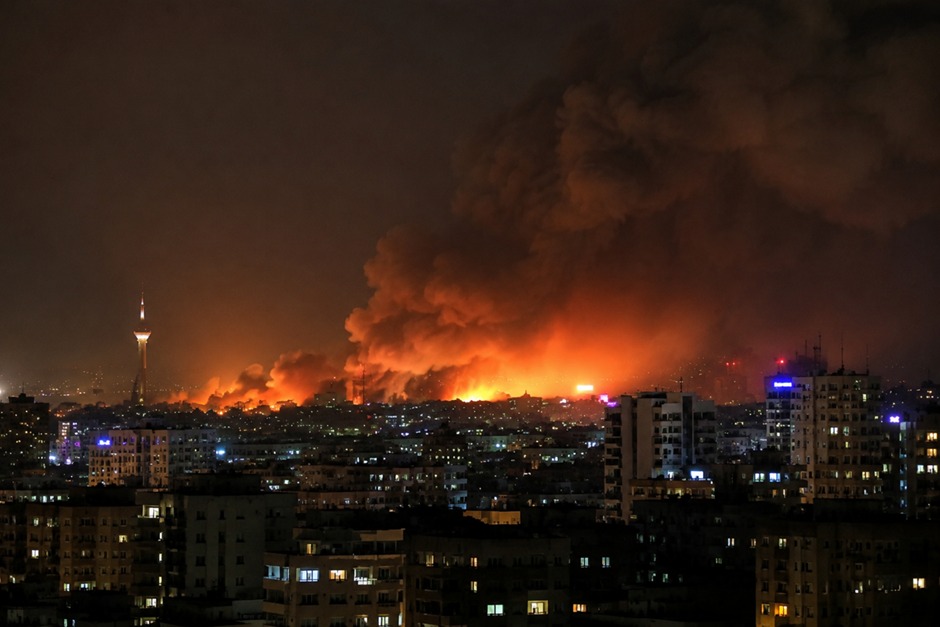
Social media has played a huge role in making the Iran–America conflict one of the most discussed topics online. Videos showing explosions, military movements, and emotional public reactions are spreading rapidly across different platforms.
Many creators and news pages are posting updates every hour, trying to attract attention from viewers worldwide. Some videos receive millions of views within a short time because people naturally become curious during global crises.
However, social media also creates challenges. Fake images, edited clips, and misleading headlines can spread panic very quickly. This is why many experts advise users to verify information before believing or sharing it online.
Despite these problems, social media remains one of the fastest ways for people to stay updated on international events. It allows ordinary people to express opinions, share concerns, and discuss world affairs in real time.

Global Concerns About a Bigger Conflict
International leaders and organizations are closely monitoring the situation because many fear the possibility of a wider regional conflict. The Middle East is connected to global energy markets and international trade routes, making stability in the region extremely important.
If tensions continue to increase, experts believe it could affect oil prices, financial markets, and international relationships between several countries. Governments around the world are encouraging diplomacy and peaceful communication to prevent further escalation.
Many people also worry about the humanitarian impact of conflict. History has shown that ordinary civilians often suffer the most during times of war. Families lose stability, economies weaken, and communities face long-term challenges that can continue for years.

Hope for Peace and Stability
Although the situation remains tense, many people across the world still hope that diplomacy and dialogue can reduce the pressure between both sides. International organizations and global leaders continue to call for calm responses and peaceful solutions instead of military escalation.
Citizens around the world are also expressing support for peace through social media discussions, online campaigns, and public reactions. Many believe that avoiding further violence is necessary for the safety and stability of the entire region.
The coming weeks may become very important in determining how the situation develops. Political decisions, international negotiations, and global pressure could all influence whether tensions decrease or continue to rise.
Conclusion
The Iran–America conflict has become much more than a political disagreement. It is now a global issue that is affecting conversations, media coverage, and public emotions across the world. From rising fears in the Middle East to worldwide discussions online, the situation continues to capture international attention every single day.