
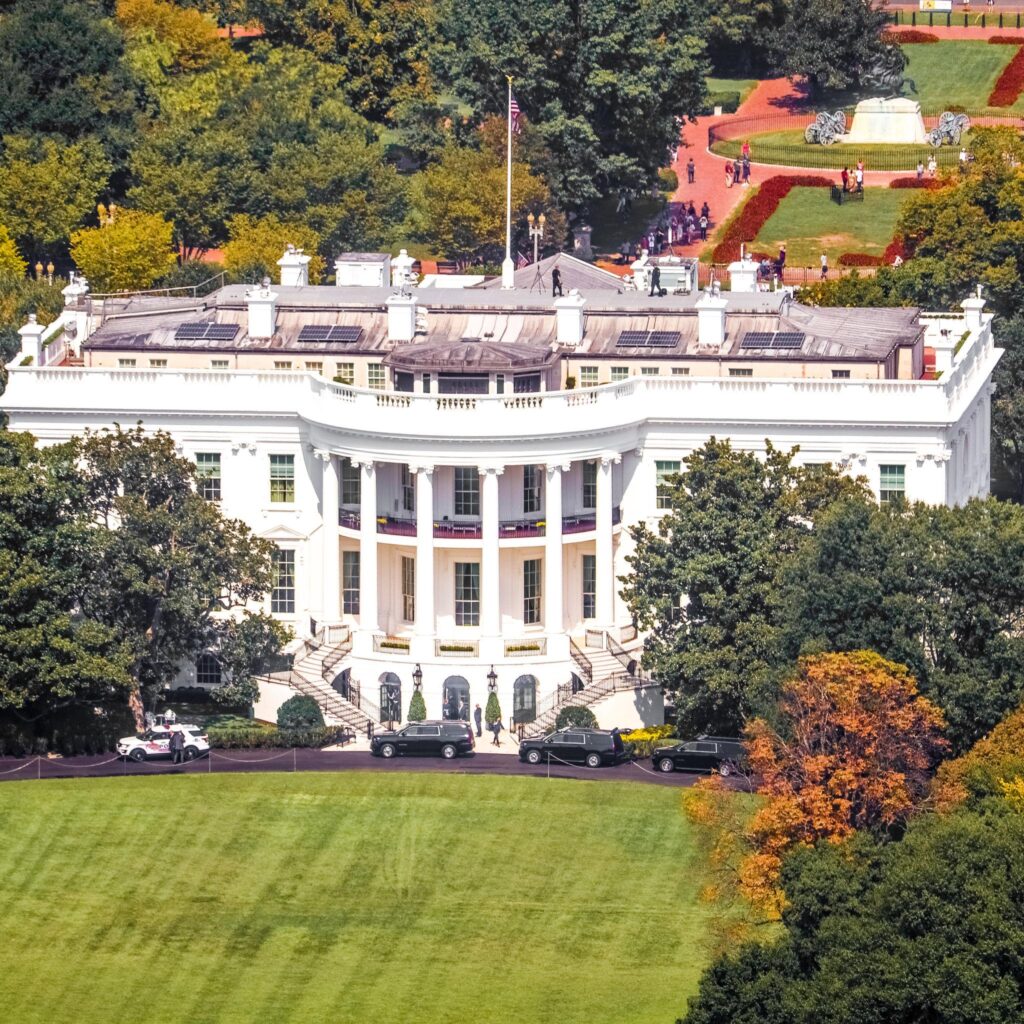
The White House stands as one of the most recognizable buildings in the world. Located at 1600 Pennsylvania Avenue in Washington, D.C., it serves as both the official residence and workplace of the President of the United States. Beyond its role as a government building, the White House has become a global symbol of democracy, leadership, and American history. For more than two centuries, it has witnessed historic decisions, international diplomacy, and moments that have shaped the modern world.
A Brief History of the White House
The story of the White House began in the late 18th century when the newly formed United States sought a permanent capital city. President George Washington selected the site for the presidential residence, although he never lived there himself. Irish-born architect James Hoban won a design competition and created the building that would eventually become known as the White House. Construction started in 1792 and was largely completed by 1800, when President John Adams and First Lady Abigail Adams became its first residents.
Originally known as the President’s House or Executive Mansion, the building earned the nickname “White House” because of its white-painted sandstone exterior. The name became officially adopted during the presidency of Theodore Roosevelt in the early 1900s.
Surviving Challenges and Renovations
Like many historic landmarks, the White House has faced numerous challenges. During the War of 1812, British forces set fire to the building, causing severe damage. The structure was later rebuilt under the guidance of James Hoban, preserving its importance as the nation’s executive residence.
Throughout the years, various presidents have overseen renovations and expansions. The addition of the West Wing created dedicated office space for the president and senior staff, while the famous Oval Office became the center of executive decision-making. Major structural renovations under President Harry Truman helped preserve the building for future generations.
Inside the White House
The White House is far larger than many people realize. The complex contains more than 130 rooms spread across six levels. It includes ceremonial rooms, private living quarters, offices, meeting spaces, and entertainment areas. Notable features include the Oval Office, the Cabinet Room, the Situation Room, and the Rose Garden.
The residence also hosts state dinners, diplomatic receptions, award ceremonies, and meetings with world leaders. Every room reflects a piece of American history, with furnishings, artwork, and decorations chosen to preserve the nation’s heritage while accommodating modern needs.
The White House as a Global Symbol
More than just a building, the White House represents the power and continuity of American democracy. Images of the White House are recognized around the globe and often symbolize the United States itself. Major announcements, policy decisions, and international agreements frequently originate from within its walls.
The building also serves as a reminder of the nation’s evolving history. Each administration leaves its own mark through renovations, traditions, and historic events, making the White House a living record of American political and cultural development.
Tourism and Public Interest
For decades, the White House has attracted visitors from around the world. While security requirements have changed over time, it remains one of the most visited and photographed landmarks in the United States. Its iconic architecture, beautifully maintained grounds, and historical significance continue to inspire curiosity and admiration.
Conclusion
The White House is far more than the residence of a president. It is a historic monument, a center of government, and a symbol of American democracy recognized worldwide. From its construction in the 1790s to its role in modern politics, the White House has remained at the heart of the American story. As new generations of leaders and citizens look toward the future, this iconic building continues to represent the enduring values, challenges, and aspirations of the United States.