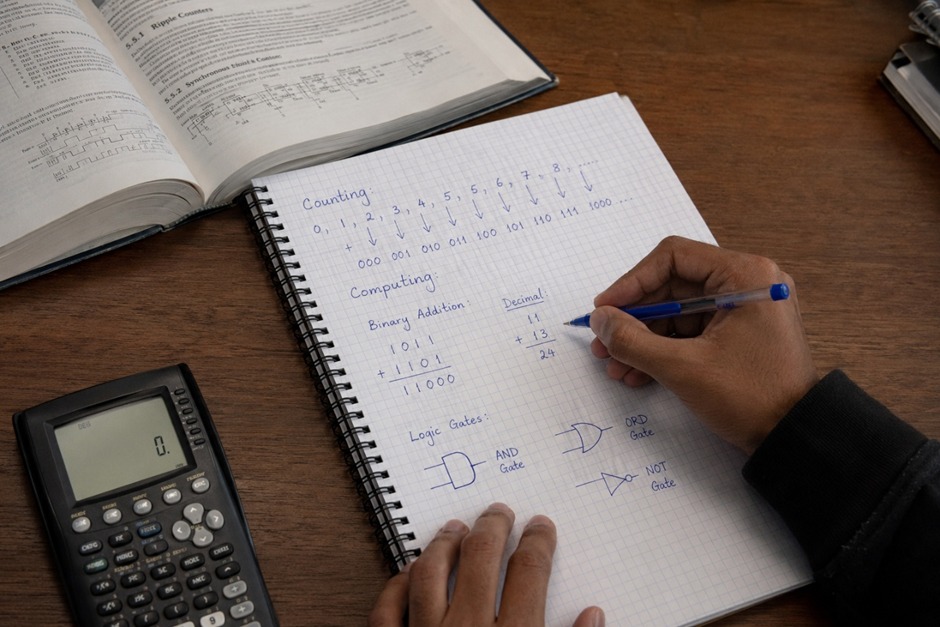
In today’s modern world, technology has become a part of everyday life. From smartphones and laptops to smart TVs and advanced machines, almost every digital device depends on computing systems to work properly. Behind all these technologies lies an important concept known as counting computing and digital logic. Although many people use technology daily, only a few truly understand how computers process information and perform millions of calculations within seconds.
Counting computing is one of the basic foundations of computer science and digital electronics. It helps systems count, calculate, process data, and make decisions using binary logic. Without counting and digital processing, modern computers and smart devices would not exist in the form we know today.

What Is Counting Computing?
Counting computing refers to the process through which digital systems count numbers, process signals, and perform logical operations. Computers do not understand human language directly. Instead, they operate using binary numbers, mainly zeros and ones.
Every action performed by a computer system is based on counting sequences and logical instructions. Whether someone opens a mobile application, types on a keyboard, or plays a video game, the system continuously performs counting and computing operations in the background.
This process may seem simple, but modern systems handle billions of operations every second. That is why computers can quickly process large amounts of data and respond almost instantly.

Understanding Binary Numbers
One of the most important parts of counting computing is the binary number system. Unlike the decimal system used in daily life, computers use only two digits:
- 0
- 1
These binary digits are called bits. Every digital instruction inside a computer is represented using combinations of these bits.
For example:
- 0001 represents 1
- 0010 represents 2
- 0011 represents 3
Using these combinations, computers can store information, process commands, and perform calculations. Even images, videos, music, and games are ultimately converted into binary data before being processed by a device.

The Role of Digital Logic
Digital logic is another important part of counting computing. It allows computer systems to make decisions based on conditions and instructions. Digital logic works through special electronic circuits called logic gates.
Some common logic gates include:
- AND Gate
- OR Gate
- NOT Gate
These gates help computers decide how information should be processed. For example, when someone logs into a website using a password, the system checks the entered data using logical operations before allowing access.
Without digital logic, computers would not be able to process commands accurately or make decisions efficiently.
How Counting Computing Powers Modern Technology
Modern technology depends heavily on counting computing and digital processing systems. Almost every smart device today uses these concepts to operate smoothly and quickly.
Smartphones use digital computing to process apps, cameras, internet connections, and games. Computers use it for calculations, graphics, programming, and multitasking. Even modern cars now include digital systems for navigation, safety controls, and automatic features.
Artificial intelligence and machine learning also rely on advanced computing systems. These technologies process huge amounts of data using digital logic and complex algorithms to generate accurate results.
Because of improvements in computing technology, devices are becoming faster, smarter, and more powerful every year.
Importance in Education and Technology Fields
Learning about counting computing is important for students interested in technology, engineering, computer science, and programming. Understanding how computers process information helps build a strong foundation for future technical skills.
Many schools and universities now teach digital logic, binary systems, and computer architecture because these topics are essential in the modern digital era. Students who understand these concepts often find it easier to learn programming, networking, cybersecurity, and software development later on.
As technology continues to grow, the demand for skilled professionals in computing fields is also increasing around the world.
The Future of Computing Technology
The future of computing looks more advanced than ever before. Scientists and engineers are already working on technologies such as quantum computing, advanced artificial intelligence, and highly powerful processors capable of performing calculations much faster than today’s systems.
In the coming years, counting computing and digital logic will continue to play a major role in innovation. Smart cities, self-driving vehicles, intelligent robots, and future communication systems will all depend on powerful computing technologies.
As the digital world expands, understanding the basics of computing becomes more valuable for both students and technology enthusiasts.
Conclusion
Counting computing and digital logic form the backbone of modern technology. From simple calculations to advanced artificial intelligence systems, computers rely on binary numbers and logical operations to perform tasks efficiently.